


When you want to upgrade your smile, cosmetic dentistry offers multiple paths. Two of the most popular are porcelain veneers and professional teeth whitening. Both can give you brighter, more confident teeth, but they work in very different ways. If you’ve been searching for cosmetic dentistry in Colorado Springs, here’s a complete guide to help you decide whether whitening, veneers, or a combination of both makes sense for you.
What cosmetic dentistry includes
Cosmetic dentistry focuses on improving the appearance of your teeth while keeping them healthy and functional. At Dental Sanctuary, cosmetic services may include:
- Professional teeth whitening for stained or discolored teeth.
- Porcelain veneers for chips, gaps, uneven length, or stubborn stains.
- Bonding and shaping for small flaws.
- Clear aligners for discreet straightening.
Every cosmetic dentistry plan is personalized, but understanding the difference between whitening and veneers is a great place to start.
Teeth whitening: Brightness with speed
Professional teeth whitening uses dentist-supervised gels to lift stains caused by coffee, tea, wine, or simply time. In-office whitening produces dramatic results in about an hour, while custom take-home trays extend and maintain brightness over days or weeks. Whitening is safe and effective when monitored by a dentist, though mild sensitivity is common for a day or two afterward.
When whitening works best
- Your teeth are healthy and evenly shaped.
- Discoloration is from foods, drinks, or aging—not deep internal stains.
- You want the least invasive cosmetic dentistry option.
- You’re okay with touch-ups every 6–12 months.
Porcelain veneers: Color and shape in one step
Veneers are ultra-thin porcelain shells bonded to the front of your teeth. They cover chips, cracks, gaps, and stains whitening can’t erase. Each veneer is custom-shaped and shaded to match your smile and facial features. The process usually takes two visits: one to prepare the teeth and one to place the final veneers.
When veneers make sense
- You have stubborn stains that whitening can’t fix (like tetracycline staining).
- Your teeth are chipped, short, or unevenly shaped.
- You want to close small gaps without orthodontics.
- You want a dramatic, longer-lasting transformation.
Veneers vs. whitening: Key differences
| Feature | Whitening | Veneers |
|---|---|---|
| Goal | Brighten natural enamel | Reshape and recolor teeth |
| Timeline | One visit or 1–2 weeks at home | Two visits (prep + placement) |
| Longevity | 6–12 months before touch-ups | 10–15 years with good care |
| Invasiveness | Non-invasive | Requires slight enamel removal |
| Cost | Lower upfront | Higher upfront, longer lasting |
Benefits supported by research
- Whitening: The American Dental Association confirms that peroxide-based whitening is safe and effective when supervised by a dentist.
- Veneers: Peer-reviewed studies show modern porcelain veneers maintain color stability and strength for more than a decade.
- Healthy foundation: The National Institute of Dental and Craniofacial Research emphasizes that treating decay and gum issues first ensures cosmetic results last.
Combining veneers and whitening
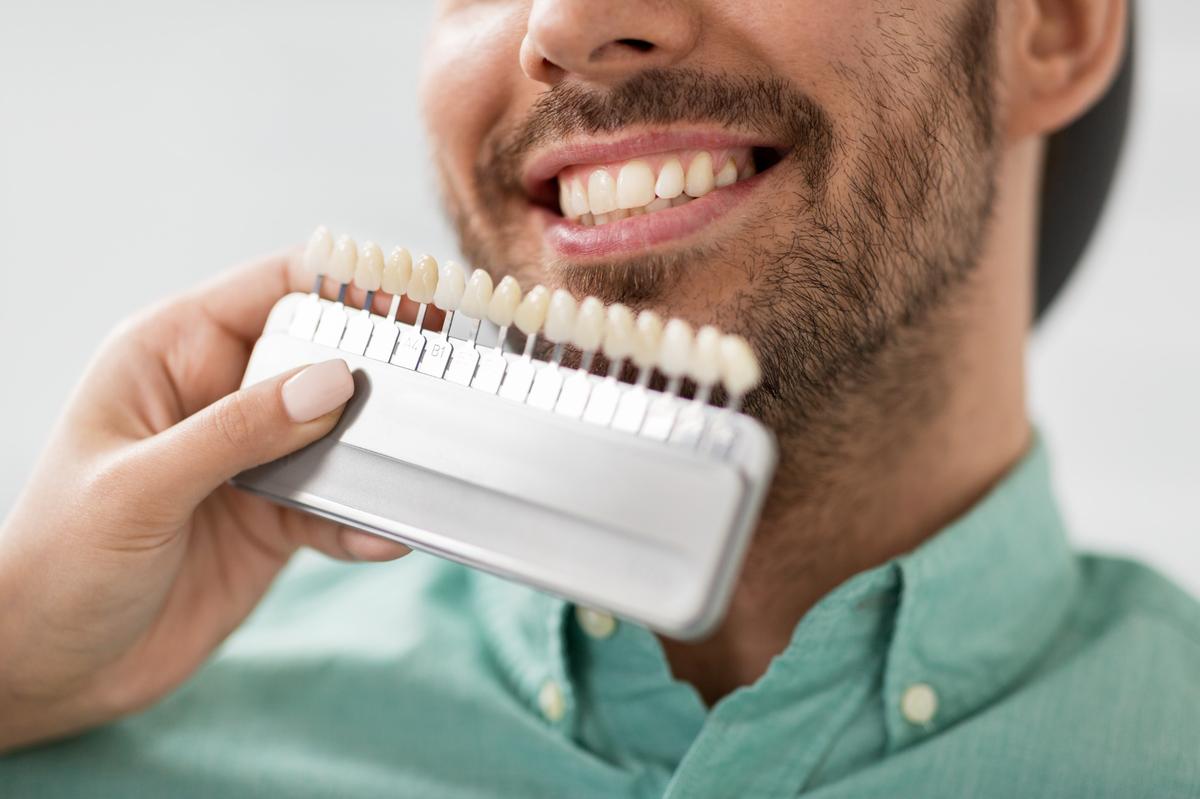
Many patients start with whitening to brighten their overall smile, then use veneers on select teeth for chips or gaps. This blended approach keeps treatment conservative and budget-friendly while creating a balanced look. If you’re considering veneers, whitening first helps ensure the porcelain is matched to your ideal shade.
Daily habits to protect your results
- Brush twice daily with a soft-bristle brush and fluoride toothpaste.
- Clean between teeth daily with floss or interdental brushes.
- Drink water after coffee, tea, or wine to reduce stains.
- Wear a nightguard if you clench your teeth.
- Keep up with regular preventive dentistry checkups.
FAQs about cosmetic dentistry
Will whitening damage enamel?
No. Professional whitening is designed to be safe under dental supervision.
Do veneers look natural?
Yes. High-quality porcelain reflects light like natural enamel and can be shaped for a realistic, face-balanced look.
Can I whiten veneers later?
No. Veneers don’t respond to whitening, which is why it’s best to whiten natural teeth first.
How many veneers do I need?
Some patients veneer one or two teeth to fix flaws, while others veneer the front six to eight for a complete smile makeover.
A confident smile starts here
Cosmetic dentistry offers both quick touch-ups and long-term transformations. Whitening brightens your natural enamel with little effort, while veneers reshape and recolor for a bigger impact. Whichever you choose, a healthy foundation and consistent care will keep your smile bright for years to come.