


Think about how a car runs best with small, regular tune-ups rather than a major repair on the side of the road. Your mouth works the same way. Preventive dentistry is the set of simple, repeatable habits and routine visits that keep teeth strong, gums healthy, and surprises to a minimum. If you’ve ever wondered whether cleanings and exams are really worth it, preventive dentistry offers one clear answer: small steps now can help you avoid bigger problems later.
What Preventive Dentistry Includes
Preventive dentistry is more than “just a cleaning.” It’s a full approach to protecting your teeth and gums before problems become painful or expensive. Preventive dentistry often includes:
- Comprehensive exams to check teeth, gums, bite, and jaw comfort
- Professional cleanings to remove plaque and tartar
- Digital X-rays when needed to detect hidden decay or bone changes
- Gum screenings to catch inflammation early
- Fluoride treatments to strengthen enamel
- Sealants for deep grooves that trap plaque, especially on molars
- Oral cancer screenings as part of a thorough exam
- Coaching on brushing, flossing, and diet habits that fit your lifestyle
The heart of preventive dentistry is early detection. Catching a small cavity early can mean a simple filling instead of a bigger repair. Catching gum irritation early can prevent deeper gum disease.
Why Preventive Dentistry Matters for Every Age
Kids and Teens
Preventive dentistry helps children build positive routines early. Kids benefit from gentle coaching, sealants on molars, and fluoride support while enamel is still developing. Teens also benefit from preventive dentistry because braces, aligners, sports, and busy schedules can make plaque control harder. Regular visits help keep gums calm and teeth strong.
Adults
Adult life adds new factors: stress clenching, coffee habits, dry mouth from medications, and older fillings that may need monitoring. Preventive dentistry helps manage these changes with steady checkups and early action.
Seniors
As people age, gum recession and dry mouth become more common. Preventive dentistry protects exposed root surfaces, maintains gum health around crowns or bridges, and keeps chewing comfortable. It also helps monitor mouth changes that can affect overall well-being.
No matter your age, preventive dentistry is the foundation that supports everything else.
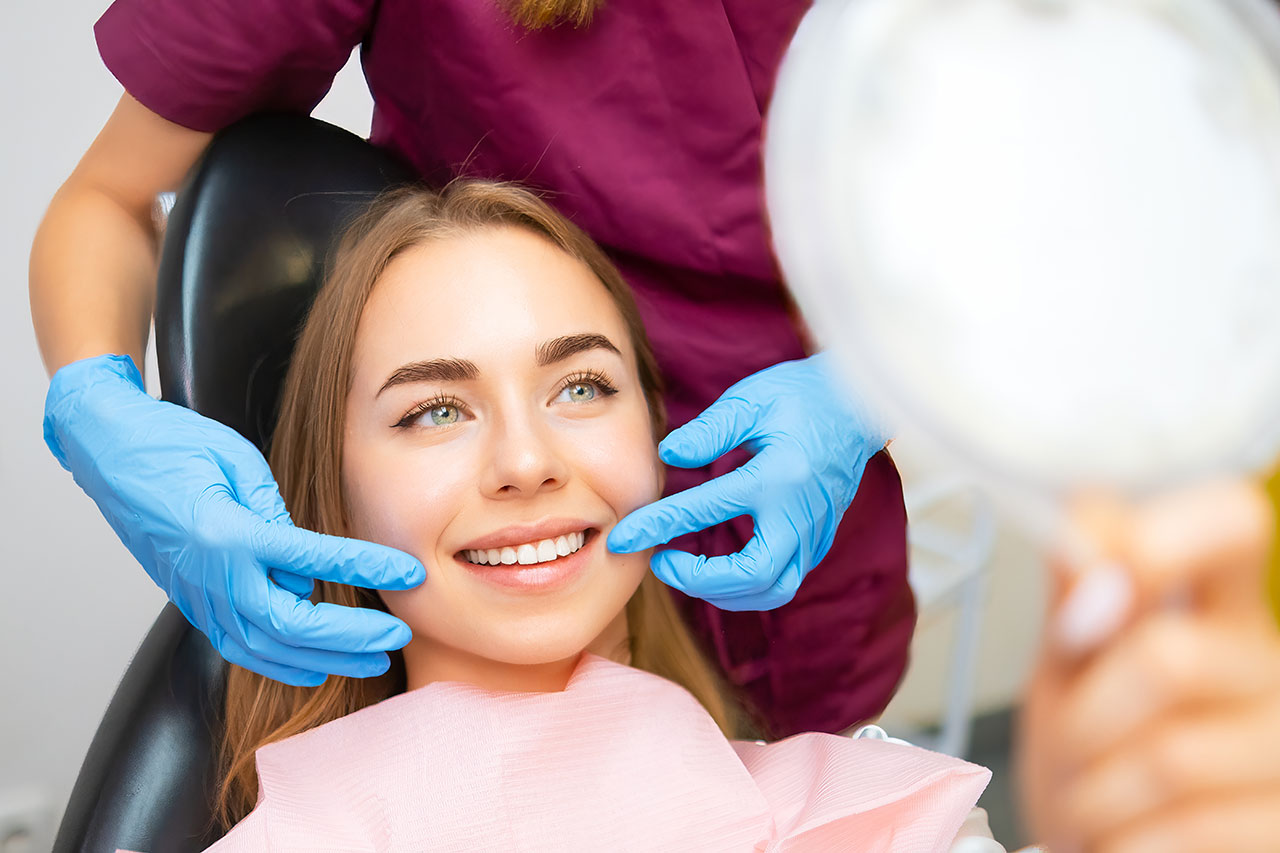
What Happens at a Preventive Dentistry Visit
Step 1: A Clear, Comfortable Exam
Your dentist checks for cavities, cracks, worn enamel, and signs of bite stress. They also look at gum color, swelling, and bleeding. Questions about sensitivity, headaches, and jaw tension help identify clenching or grinding.
Step 2: Professional Cleaning
Even with great brushing, plaque can harden into tartar in areas your toothbrush can’t reach. Preventive dentistry cleanings remove tartar around the gumline and between teeth, then polish surfaces so plaque has a harder time sticking.
Step 3: Gum Health Check
Healthy gums should not bleed easily. Measuring gum pockets and checking inflammation helps catch gum disease early. This is a key part of preventive dentistry because gum problems often start quietly.
Step 4: X-Rays When Needed
Not every visit requires X-rays. When they are recommended, it’s because they reveal things eyes can’t see—like decay between teeth, problems under old fillings, or changes in bone support.
Step 5: Personalized Prevention Plan
Preventive dentistry should feel personal. You may receive advice on flossing tools, toothpaste choice, fluoride, mouth rinses, and snack timing. If you clench at night, a night guard may be recommended to protect enamel and reduce cracks.
The Daily Side of Preventive Dentistry: Habits That Truly Help
Preventive dentistry works best when the home routine is realistic and consistent. Here are the habits that matter most:
- Brush twice daily for two minutes with fluoride toothpaste
- Clean between teeth daily with floss or interdental brushes
- Focus on the gumline—this is where inflammation starts
- Drink water often, especially after snacks or coffee
- Limit frequent sipping of sugary drinks or frequent grazing
- Choose tooth-friendly snacks like cheese, nuts, yogurt, and crunchy vegetables
- Replace your toothbrush every three months or after illness
- Consider an electric toothbrush if plaque builds easily
If you’re trying to improve, remember: preventive dentistry is about progress, not perfection. A few small changes can make a big difference.
Benefits of Preventive Dentistry
Preventive dentistry is one of the highest-value investments you can make in your health because it helps you avoid bigger problems and protect what you already have. Benefits include:
- Lower risk of cavities through early detection and enamel support
- Healthier gums and fresher breath by controlling plaque and tartar
- Fewer emergencies because problems are found before they hurt
- Longer-lasting dental work, because clean gums and balanced bite support restorations
- Better comfort when chewing, since bite issues and wear are noticed early
- More predictable long-term costs compared with surprise treatments
Professional dental guidance consistently emphasizes prevention for these exact reasons. Preventive dentistry keeps dentistry simple by reducing the need for complex repairs later.
Preventive Dentistry for People With Special Concerns
If You Have Dental Anxiety
Preventive dentistry visits can be designed to feel calm and predictable. Shorter appointments, a clear stop signal, and gentle pacing help many people build comfort over time. The more routine your visits become, the less intimidating they often feel.
If You Have Sensitive Teeth
Sensitivity can come from recession, thin enamel, or clenching. Preventive dentistry helps by identifying the cause, recommending the right toothpaste, and using fluoride support. Sometimes small bite adjustments also reduce pressure on sensitive teeth.
If You Have Gum Bleeding
Bleeding is often a sign of inflammation. Preventive dentistry focuses on improving cleaning at the gumline and may recommend more frequent cleanings while gums heal.
If You’re Prone to Cavities
Some people naturally have higher cavity risk due to dry mouth, diet patterns, or deep grooves. Preventive dentistry can add protective steps like fluoride treatments, sealants, and targeted coaching to lower that risk.
Common Questions About Preventive Dentistry
How Often Should I Go?
Many people do well with visits every six months. If you have gum inflammation, frequent cavities, or heavy tartar buildup, preventive dentistry may be recommended every three or four months until things stabilize.
Do I Still Need Preventive Dentistry If I Brush Well?
Yes. Even excellent brushers can miss tartar-prone areas. Preventive dentistry also checks for hidden decay, cracks, and gum issues you can’t see at home.
Are Fluoride Treatments Only for Kids?
No. Adults benefit too—especially those with recession, dry mouth, or a history of cavities. Preventive dentistry uses fluoride as a tool to strengthen enamel for any age.
What If I Haven’t Been in Years?
That’s okay. Preventive dentistry is designed to meet you where you are. The first visit focuses on understanding your current needs and building a plan that feels manageable.
A Simple Path to a Healthier Smile
Preventive dentistry isn’t flashy, and that’s the point. It’s the steady routine that keeps your smile strong, your gums healthy, and your dental care predictable. If you want fewer surprises and more confidence in your oral health, preventive dentistry is the most practical place to start.
Ready to make prevention your easiest habit? Contact Dental Sanctuary of Fanwood at (908) 490-6614 or visit 250 South Ave Suite 103, Fanwood, NJ 07023 to Book an Appointment and build a preventive dentistry plan that keeps your smile healthy year-round.